
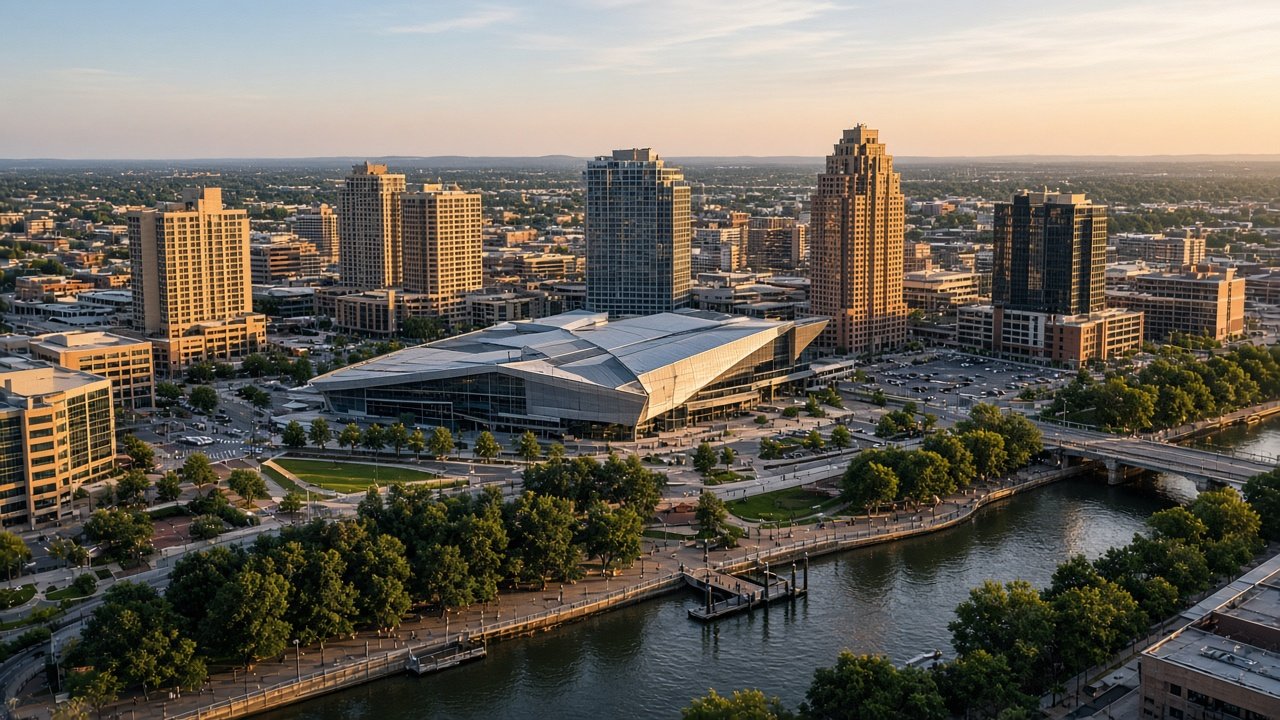
The best second tier convention cities are markets with real convention infrastructure and sizable hotel packages that sit just below the top-tier destinations in demand. For a large conference, they often give you deeper availability, more walkable room blocks, and stronger concessions, because the city wants your business more than a first-tier market does. The tradeoff is usually airlift, which you can plan around once you know how to evaluate it.
If you're a meeting planner or on a housing committee facing rising rates and thin availability in the usual cities, a second-tier market is worth a hard look. Before you start shopping cities, put a plan in place. Rank your goals and priorities. Know what to ask for, in what order, and what to expect. Then gauge how much leverage you have to get the best deal. Would you like some free help with your event? Schedule a Call.
What actually makes a city "second-tier"
Second-tier is not a knock on quality. It describes where a city sits in the national demand stack. First-tier markets are the usual suspects every association rotates through, with the largest convention centers and the most hotel rooms concentrated in a single district. Second-tier cities have a legitimate convention center, a cluster of brand hotels, and the service infrastructure to run a citywide, but they do not draw the same year-round compression.
That demand gap is the whole opportunity. In a first-tier market, the hotels know another group is right behind you, so they hold firm on rate, attrition, and concessions. In a second-tier market, your group may be one of the larger pieces of business on the books that week, which changes who has leverage at the table.
If your event fills a convention center and spills across multiple hotels, you are running a citywide whether you call it that or not. If you are not sure how that structure works, read What Is a Citywide Convention? before you shop markets, because the city's ability to coordinate a block across properties is a gating factor.
The real tradeoff: airlift versus everything else
Airlift is the one place second-tier cities genuinely cost you, and it is the first objection your attendees and your board will raise. Fewer nonstops, more connections, and sometimes higher fares out of smaller hubs. This is real, so evaluate it honestly rather than hand-waving it away.
Here is the mechanic planners miss: total attendee cost is airfare plus lodging plus food and ground, not airfare alone. A second-tier market frequently returns the airfare difference, and then some, through lower room rates and a tighter walkable package that cuts ground transportation. The smarter play is to model all-in attendee cost across two or three candidate cities rather than comparing nonstop counts in a vacuum.
- Count nonstops from your top feeder markets, not total destinations served. You care about where your attendees actually live.
- Check seasonal and day-of-week service. A route that exists on paper may not run the day your group arrives.
- Factor connection fatigue. One connection is tolerable for most attendees. Two will show up in your registration numbers.
- Price the ground savings. A walkable second-tier core can eliminate shuttle contracts that a sprawling first-tier campus requires.
Why availability and concessions can be stronger
In a softer-demand market, the destination is hungrier for your business, and that competition shows up in the contract terms that benefit your organization. The whole package is what really matters.
- Attrition cushion. Second-tier hotels are often willing to negotiate a lower attrition threshold and a review-based rather than automatic penalty, because filling the rest of the house is harder for them too.
- Rate protection. With less compression, hotels are more open to rate caps across a multi-year rotation, which first-tier markets rarely entertain.
- Convention & Visitors Bureau (CVB) Support: To win business that fills hotels and boosts the local economy, many CVBs offer incentives such as room-night rebates, convention center rental subsidies, transportation support and marketing help. These packages are usually tied to the event’s size and impact, so organizers who know their numbers and bring the CVB in early can greatly lower the total cost of their convention.
None of this is automatic. It is the product of a competitive RFP and someone at the table who knows the approach to take to position the best possible outcome.
Are you considering a second-tier city? Sagen will help you by doing all the legwork and serving up your destination options that spell success for you. You stay in control and there's no cost to your organization. Best of all, you can spend your time on more productive initiatives.
Sagen has insider knowledge that sets clients up for success.
How to evaluate a second-tier city: a checklist
Run every candidate market through the same filter so you are comparing like for like.
- Package depth. Can the city assemble your peak-night block within a reasonable radius, or does it stretch to properties your attendees will resent?
- Walkability. Measure the distance from the headquarter hotels to the convention center and to food and evening options. Walkable cores reduce shuttle spend and improve attendee experience.
- Convention center fit. Exhibit hall, breakout count, and ceiling heights against your program, not just total square footage [VERIFY: center specs for your dates].
- Airlift from feeder markets. Nonstops and realistic connections from where your attendees live.
- Hotel mix and quality. Enough brand-standard rooms at the tier your attendees expect, with a mix of full-service and select-service to manage cost.
- Date flexibility. Second-tier markets reward groups that can move into shoulder periods, which is where the strongest packages live.
- Coordination capacity. A convention bureau and a hotel community that can actually run a coordinated citywide block.
When you take a strong candidate to RFP, the quality of your request determines the quality of the responses. A vague RFP gets padded, defensive bids. See How to Write a Meeting RFP Hotels Actually Respond To for the detail hotels need to give you their best terms.
Frequently asked questions
What is a second-tier convention city?
A second-tier convention city is a market with a legitimate convention center, a cluster of brand hotels, and the infrastructure to host a citywide, but with lower year-round demand than top-tier destinations. That softer demand often translates into deeper availability, stronger concessions, and more negotiating room on attrition and cancellation terms.
Are second-tier cities cheaper for large conferences?
Often yes on an all-in basis. Room rates and concessions tend to be more favorable because hotels compete harder for your block, and a walkable core can cut ground transportation costs. The offset is airlift, so you should model total attendee cost, including airfare, lodging, and ground, across each candidate city rather than comparing room rates alone.
How do I evaluate airlift for a second-tier city?
Count nonstops and realistic one-stop connections from your actual feeder markets, not the total number of destinations the airport serves. Check that the routes run on your group's arrival and departure days and seasons, and weigh any airfare premium against the lodging and ground savings the market offers.
Do second-tier hotels offer better contract terms?
Frequently, because they have more rooms to fill and your group may be one of the larger pieces of business on the books that week. That can mean lower attrition thresholds, sliding-scale cancellation schedules, better comp ratios, and multi-year rate protection. These terms are not automatic and depend on a competitive RFP and negotiation.
How far in advance should I contract a citywide in a second-tier city?
Large events commonly contract several years out, and the strongest hotel packages are claimed first. Starting early gives you access to the best dates, the deepest blocks, and the most negotiating leverage before competing groups lock up the market.